

Humidity Control in Basement Areas: How to Stop Mold in Mississauga
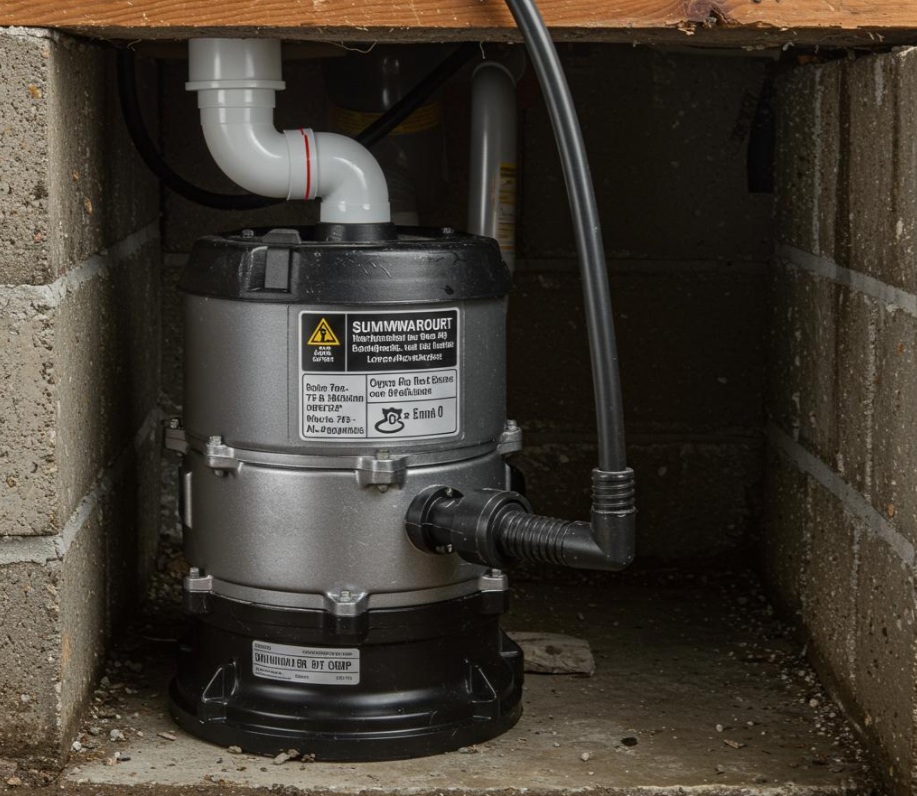
Basement humidity is more than an uncomfortable feeling. When moisture stays trapped below grade, it can lead to musty odours, mold growth, damaged belongings, deteriorating wood, and poor indoor air quality throughout the home.
For homeowners in Mississauga, basement moisture can be especially difficult to manage because of seasonal rainfall, humid summers, snowmelt, and changing temperatures throughout the year.
Effective humidity control in basement areas usually requires more than simply plugging in a dehumidifier. The source of the moisture needs to be identified first, followed by the right combination of drainage, waterproofing, ventilation, and dehumidification.
GMS Basement Waterproofing Inc. serves homeowners in Mississauga and surrounding areas, helping address basement moisture at its source. For an assessment, call (416) 274-8377. Service inquiries are available daily from 7:00 a.m. to 10:00 p.m.
Why Basement Humidity Is a Problem
Basements naturally tend to be cooler than the rest of the home. When warm, humid air comes into contact with cooler basement walls, floors, ducts, or pipes, condensation can form.
That moisture can accumulate in areas with poor airflow, particularly:
- Behind furniture
- Along exterior foundation walls
- Inside finished wall cavities
- Around HVAC equipment
- Near floor drains
- In storage areas
- Around sump pits
If the environment remains damp for long periods, mold and mildew can begin to develop.
High humidity may also damage cardboard boxes, furniture, flooring, drywall, insulation, and wood framing.
Recommended Basement Humidity Levels
A basement should generally feel dry and free of condensation or persistent musty odours.
Using a hygrometer is one of the simplest ways to monitor moisture levels. If the basement remains consistently humid, particularly during warmer months, a dehumidifier may be necessary.
However, humidity readings should not be viewed in isolation.
If groundwater is entering through the foundation, a leaking wall is present, or exterior drainage is directing water toward the home, a dehumidifier may run constantly without solving the underlying problem.
What to Check Before Controlling Basement Humidity?
Before adding equipment, start by assessing where the moisture is coming from.
Measure the Humidity
Place a hygrometer in the basement and monitor it over several days.
Pay particular attention to changes after:
- Heavy rainfall
- Snowmelt
- Hot and humid weather
- Running the HVAC system
A noticeable increase after rainfall may indicate a foundation or drainage issue rather than indoor humidity alone.
Inspect Basement Walls and Floors
Look carefully for:
- Damp patches
- Water stains
- Peeling paint
- White mineral deposits
- Visible mold
- Cracks
- Moisture around wall-floor joints
These signs may indicate groundwater intrusion or foundation seepage.
Check for Musty Odours
A persistent musty smell often indicates ongoing moisture somewhere in the basement, even if visible water is not present.
The source may be behind finished walls, underneath flooring, around stored belongings, or near an HVAC system.
Inspect the Sump Pump and Floor Drains
A sump pump helps manage groundwater around the foundation.
Check whether the sump pit is clear and whether the pump operates properly. Floor drains should also be free of debris or blockages.
Check Exterior Drainage
Basement moisture often starts outside.
Inspect gutters, downspouts, and the ground surrounding the foundation. Rainwater should move away from the house rather than collecting beside basement walls.
Common Causes of Basement Humidity in Mississauga
Several factors can contribute to excessive basement moisture.
Humid Summer Air
During warmer months, outdoor air can contain a large amount of moisture.
When that humid air enters a cooler basement, condensation may develop on walls, pipes, floors, and ductwork.
Heavy Rainfall
Prolonged or heavy rain can saturate the soil surrounding a foundation.
If drainage is inadequate, water pressure can build against basement walls and floors.
Poor Foundation Drainage
Damaged or ineffective weeping tiles can allow groundwater to remain around the foundation instead of draining away.
Foundation Cracks
Small cracks can provide a route for moisture to enter the basement, particularly after rainfall or snowmelt.
Poor Air Circulation
Basements containing tightly packed storage, furniture pushed against walls, or enclosed rooms may have areas where air does not circulate properly.
Moisture can then remain trapped in those spaces.
Basement Humidity and Mold Growth
Persistent moisture creates an environment where mold and mildew can develop.
Mold commonly appears around:
- Drywall
- Wood framing
- Carpets
- Insulation
- Stored boxes
- Window frames
- HVAC areas
Even where visible mold is absent, a musty odour can indicate that moisture is accumulating somewhere out of sight.
Controlling moisture is therefore an important part of reducing the conditions that allow mold to grow.
How Basement Humidity Affects the Rest of the Home
Basement air does not always stay in the basement.
Air naturally moves between different levels of a home through stairways, wall cavities, ductwork, and other openings.
This means excessive basement moisture and musty odours can affect comfort and air quality elsewhere in the house.
Reducing basement humidity can therefore improve conditions beyond the basement itself.
Using a Dehumidifier for Basement Moisture
A dehumidifier can be very effective, but only when excess airborne moisture is the main problem.
It works by removing moisture from the air and collecting or draining the resulting water.
However, a dehumidifier cannot permanently correct:
- Foundation leaks
- Cracked basement walls
- Poor grading
- Damaged weeping tiles
- Water entering through the wall-floor joint
- Exterior drainage problems
If water continues entering the basement, the dehumidifier may run constantly without bringing the problem under control.
That is why humidity control in basement areas should begin with moisture-source identification.
Improving Airflow in a Damp Basement
Improving airflow can help reduce stagnant areas where moisture collects.
Homeowners can:
- Move furniture slightly away from exterior walls
- Avoid stacking boxes directly against foundation walls
- Keep vents unobstructed
- Open interior doors where appropriate
- Use mechanical ventilation when necessary
- Avoid overcrowding storage areas
Better air circulation allows a dehumidifier to work more effectively across the entire basement.
Reasons a Dehumidifier May Run Constantly
A continuously running dehumidifier may indicate that moisture is entering the basement faster than the unit can remove it.
Common causes include:
- Water entering through foundation cracks
- Poor exterior grading
- High seasonal humidity
- An undersized dehumidifier
- Blocked airflow
- Damp building materials
- Drainage problems around the foundation
Rather than immediately replacing the unit, inspect the basement and exterior drainage conditions first.
If the source remains unclear, a professional moisture assessment can help determine what is happening.
Waterproofing Solutions for Basement Humidity
Waterproofing addresses moisture before or as it enters the basement. Depending on the problem, possible basement waterproofing solutions can include:
Foundation Crack Repair
Cracks may be sealed using an appropriate injection or waterproofing method to reduce water entry.
Interior Drainage Systems
An interior drainage system can collect water entering around the basement perimeter and redirect it toward a sump pump.
Exterior Waterproofing
Exterior waterproofing may involve excavation, foundation repairs, protective membranes, and improved drainage.
Sump Pump Systems
A properly functioning sump pump removes collected groundwater before it accumulates inside the basement.
The correct solution depends on where the moisture originates.
Practical Ways to Reduce Basement Humidity
There are several practical steps homeowners can take:
- Use a properly sized basement dehumidifier
- Keep gutters clean
- Extend downspouts away from the foundation
- Maintain the sump pump
- Repair foundation cracks
- Improve exterior grading
- Keep storage away from exterior walls
- Monitor humidity with a hygrometer
- Check for leaks after heavy rainfall
- Address visible water intrusion promptly
These measures work best when used together rather than relying on one solution alone.
Professional Basement Moisture Control in Mississauga
If your basement remains damp despite running a dehumidifier, there may be an underlying waterproofing or drainage issue.
GMS Basement Waterproofing Inc. serves Mississauga homeowners with basement waterproofing, foundation leak repairs, drainage solutions, and moisture-control services.
A professional inspection can help determine whether excessive humidity is caused by condensation, groundwater, foundation seepage, poor drainage, or a combination of factors.
For basement moisture concerns in Mississauga, contact GMS Basement Waterproofing Inc. at (416) 274-8377. The company is available Monday through Sunday from 7:00 a.m. to 10:00 p.m.
Conclusion
Controlling basement humidity requires more than masking a musty smell or running a dehumidifier continuously.
The best approach is to determine where the moisture is coming from and then address both the source and the indoor humidity level. For some homes, better ventilation and dehumidification may be enough. For others, foundation cracks, drainage problems, or groundwater intrusion may need to be repaired.
By improving drainage, monitoring humidity, increasing airflow, and addressing basement leaks early, Mississauga homeowners can reduce mold-friendly conditions and better protect their basement, belongings, and home.
For professional help with persistent basement moisture, contact GMS Basement Waterproofing Inc. at (416) 274-8377.
Frequently Asked Questions
Q. What are the causes of High Basement Humidity?
A. Common causes include humid summer air, groundwater around the foundation, poor ventilation, foundation leaks, inadequate exterior drainage, and seasonal snowmelt.
Q. What are the signs of Humidity Versus a Basement Leak?
A. Condensation usually appears on cool surfaces during humid weather. Water stains, damp patches after rainfall, foundation cracks, or moisture around the wall-floor joint may indicate water intrusion.
Q. How Can a Dehumidifier Help Prevent Mold?
A. A dehumidifier can reduce airborne moisture, but it may not be enough if groundwater or foundation leaks are continually adding moisture to the basement. The underlying water source should also be addressed.
Q. What are the causes of Musty Basement Odours?
A. Moisture may be trapped behind walls, underneath flooring, around stored items, or in areas with poor airflow. A musty smell should be investigated even if standing water is not visible.
Q. How Can Waterproofing Help Control Basement Humidity?
A. If groundwater or foundation seepage is contributing to the humidity, appropriate waterproofing and drainage repairs can reduce the amount of moisture entering the basement.
Q. Who Provides Basement Humidity Control Services in Mississauga?
A. GMS Basement Waterproofing Inc. serves Mississauga and surrounding communities. Homeowners can call (416) 274-8377 between 7:00 a.m. and 10:00 p.m. daily to discuss basement moisture concerns.